Enable AI Development.
Safely.
AI coding agents like Claude Code, Gemini, Cursor, and GitHub Copilot are changing how teams build infrastructure. Preventive controls don't just protect your environment at the speed of agents. They give agents real-time feedback to self-correct, eliminating the DevOps bottleneck and accelerating compliant delivery.
Four Layers of Preventive Security
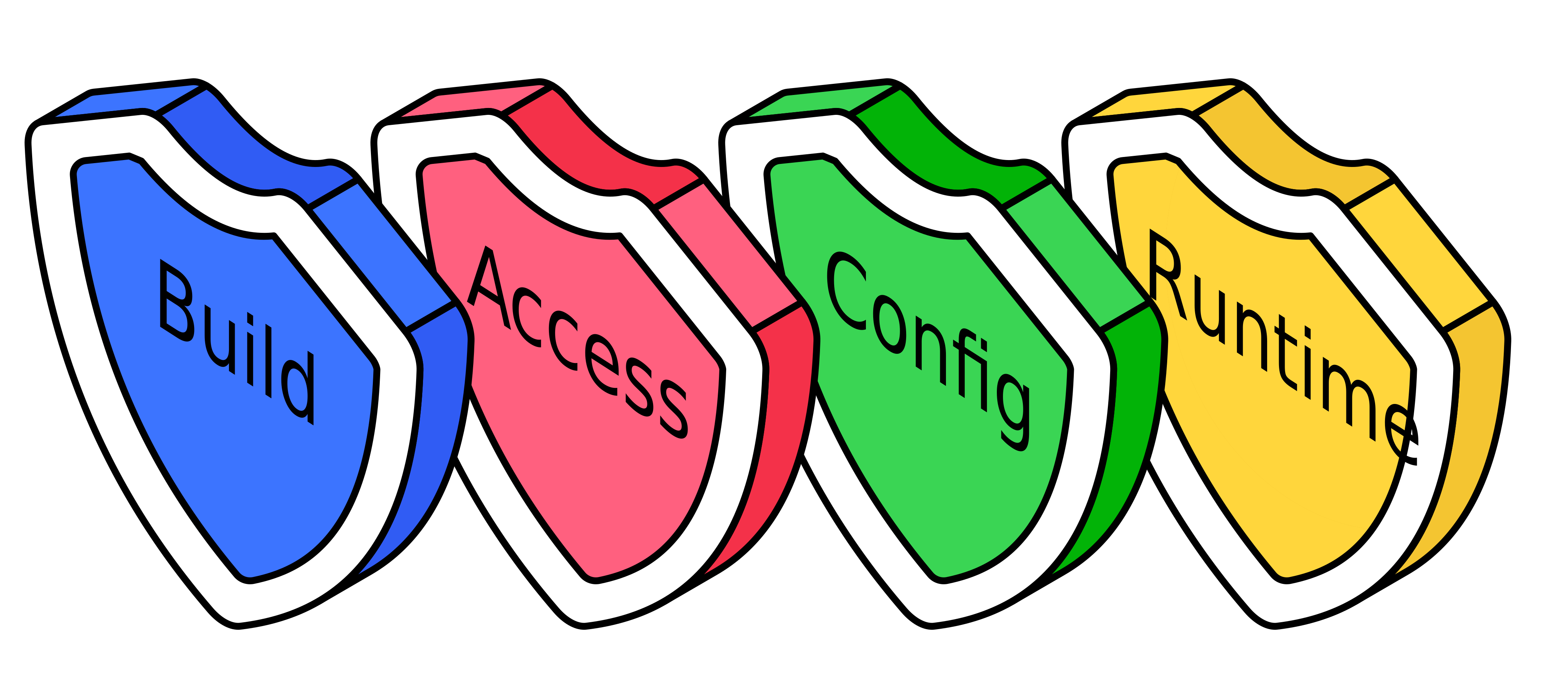
Effective prevention requires controls at every layer. Guardrails orchestrates all four for Agentic Development:

Build
AI agents generate Terraform and CloudFormation. Validate every plan before it applies. Block non-compliant resources at the pull request, not after deployment.
Access
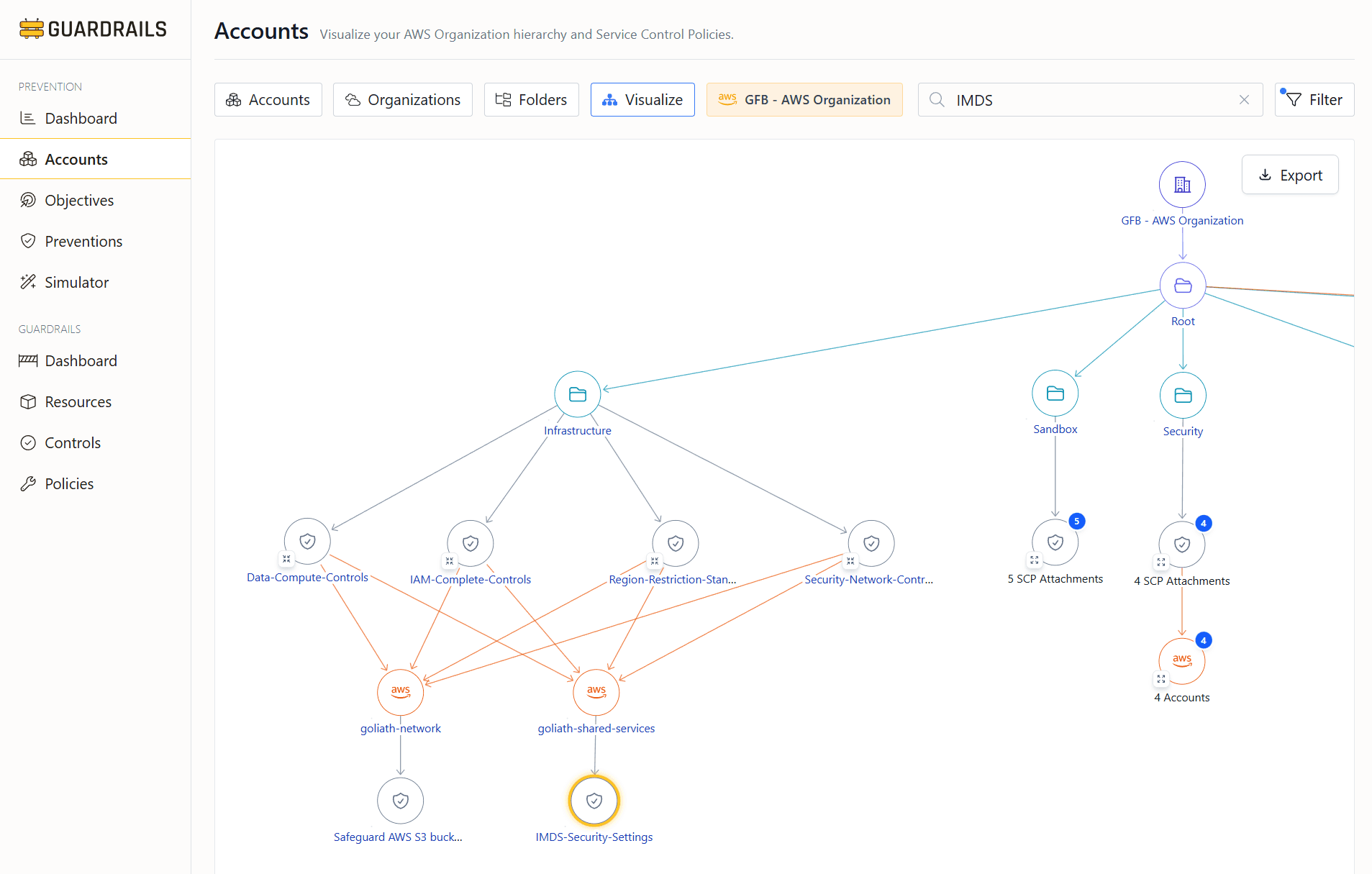
SCPs, RCPs, and Azure Policies enforce hard boundaries that agents cannot cross. When an agent hits a boundary, the denial reason becomes immediate feedback to try a different path.
Config
Secure defaults mean agents start from a compliant baseline. Encryption, logging, network isolation, and access controls are in place before the first resource is created.
Runtime
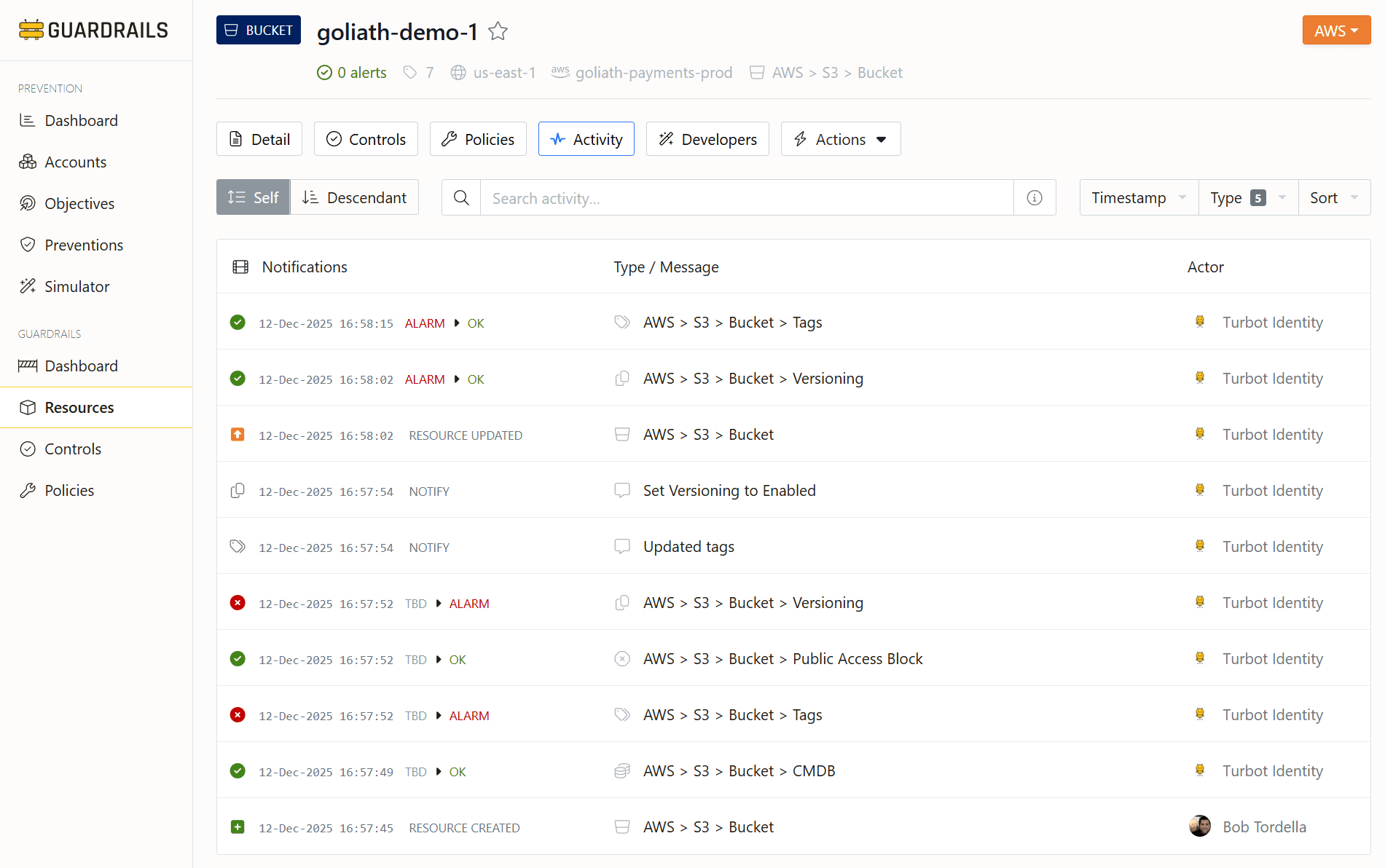
Guardrails detects drift in real time and triggers webhooks back into your pipeline. Agents self-correct without human intervention, closing the loop automatically.
Why Preventive Controls are the key to safe agentic development:
Guardrails as a Feedback Loop
When an AI agent provisions infrastructure that violates policy, an SCP or RCP blocks the call immediately and returns a clear denial reason. The agent reads the error, adjusts its approach, and retries. No waiting for a human to file a ticket or approve a change.
This creates a direct, real-time feedback loop: preventive controls teach the agent your organization's boundaries as it works. Every denied call makes the next attempt smarter.
Eliminate the Ticket Queue Bottleneck
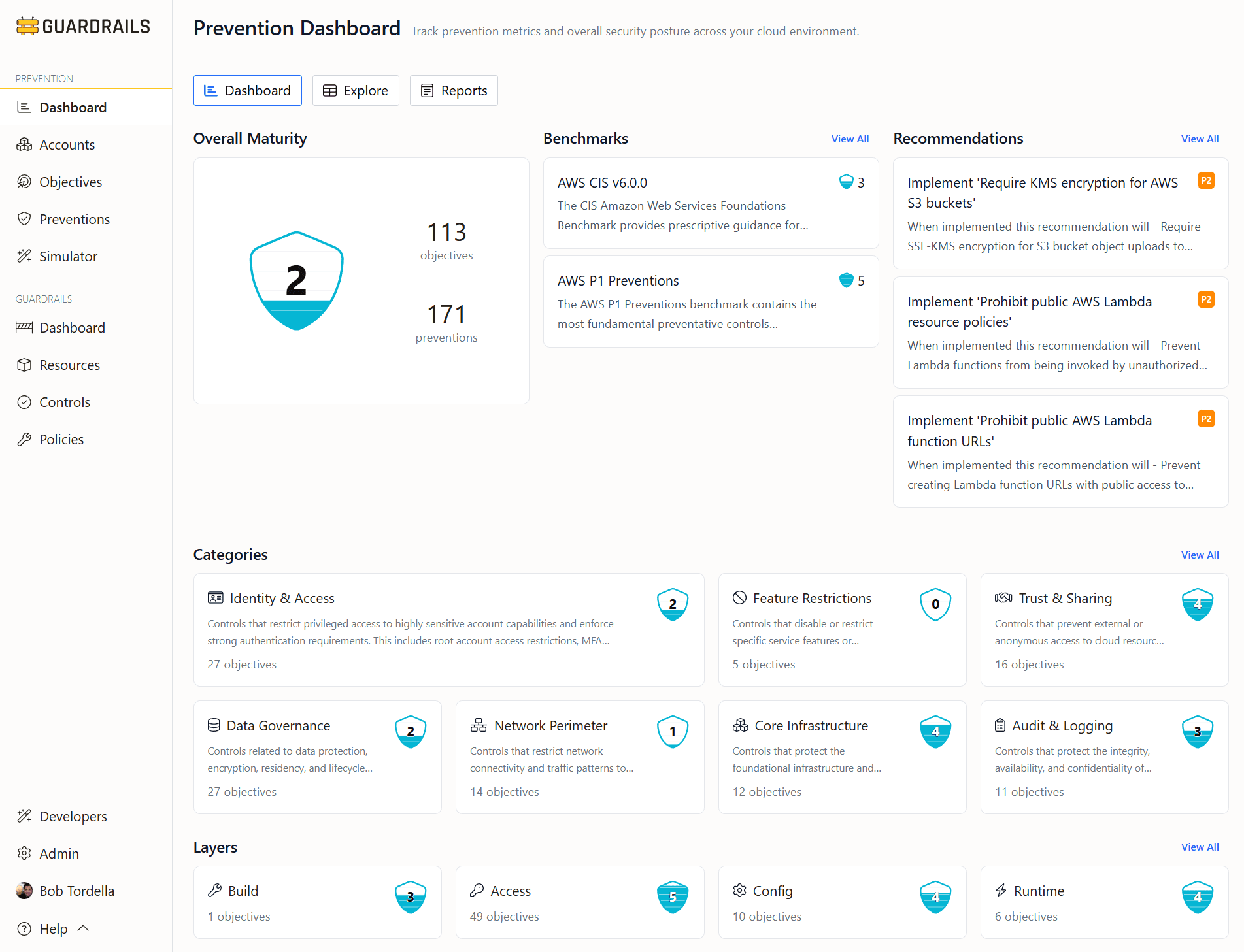
Traditional detect-and-notify security creates a bottleneck that collapses under agentic speed. An agent can provision hundreds of resources per hour. No security team can triage findings and file tickets fast enough to keep up.
Preventive controls shift enforcement to the moment of creation. Non-compliant resources never exist, so there are no findings to triage, no tickets to route, and no remediation backlog to burn down.
Runtime Webhooks Close the Loop
For misconfigurations that slip past preventive controls, Guardrails detects drift in real time and can trigger webhook notifications back into your CI/CD pipeline. Your agents receive the signal, understand what drifted, and self-correct automatically.
No human in the loop. No Jira ticket waiting in a queue. The agent that caused the drift fixes the drift.
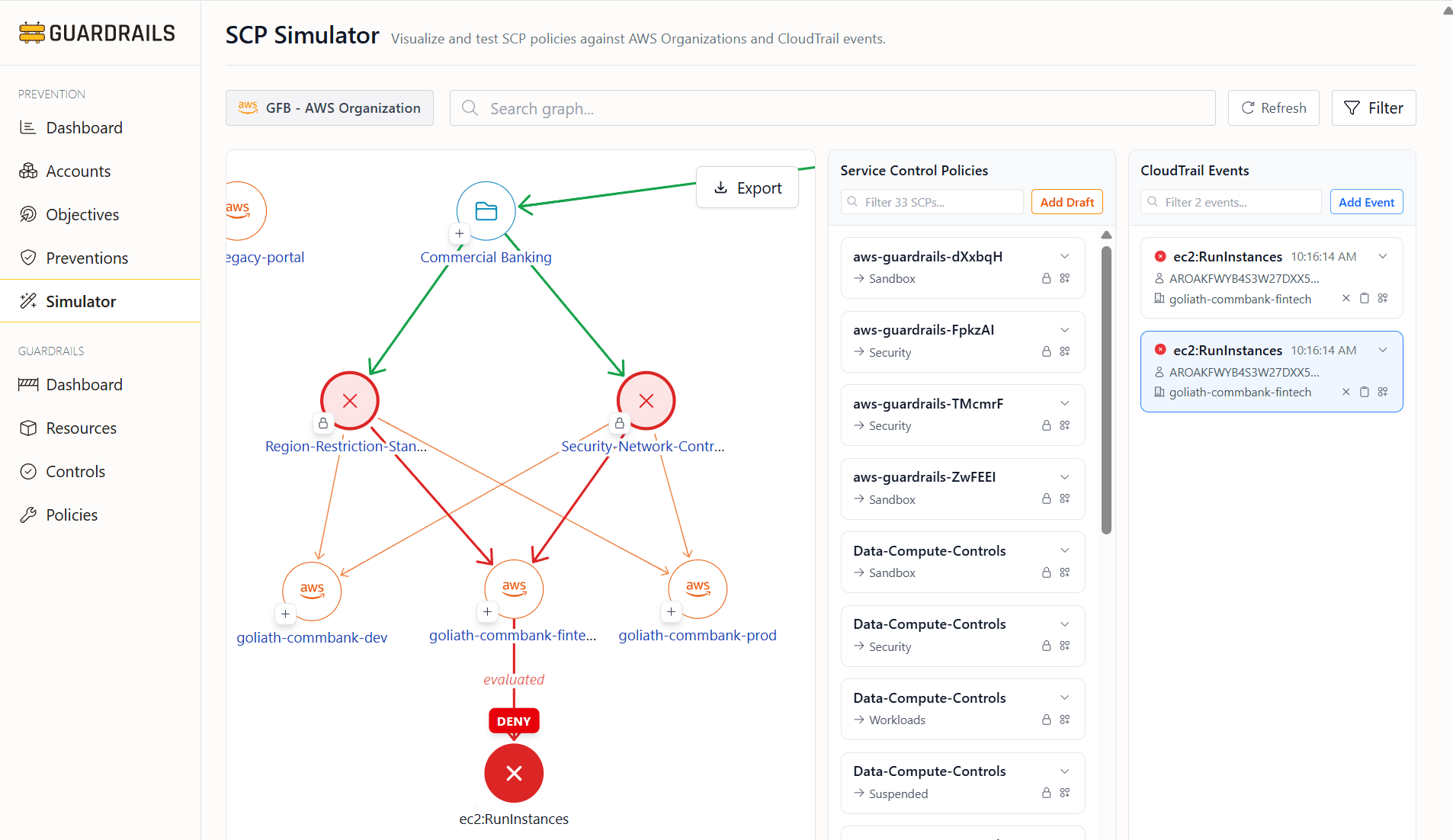
Simulate Controls Before Agents Hit Them
Test new preventive policies against your actual environment before deploying them. See exactly which agent-provisioned resources would be affected and which API calls would be blocked.
Avoid disrupting active agentic workflows. Validate that new controls will catch the right things without breaking the pipelines your teams depend on.
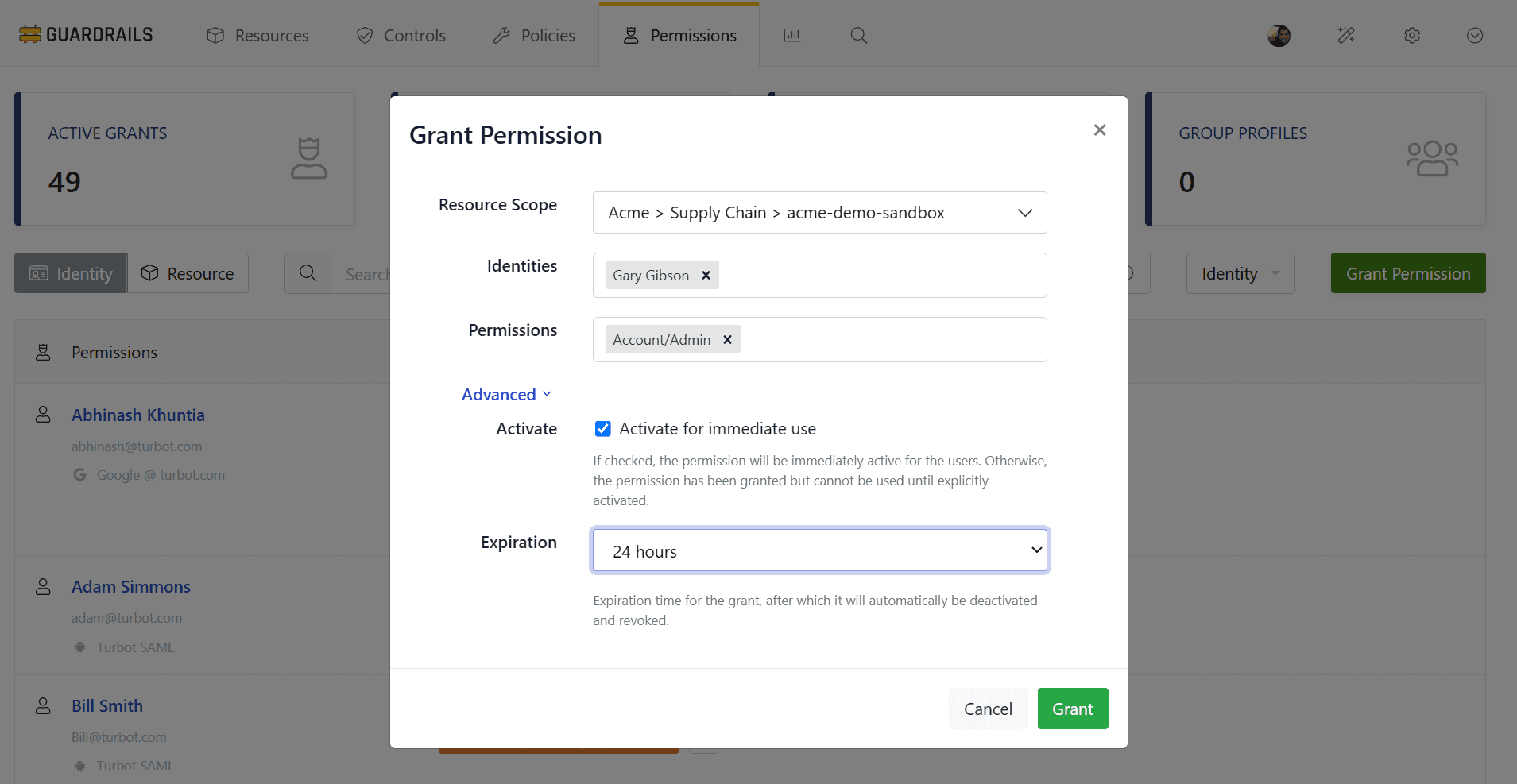
Expand Coverage as Adoption Grows
Start with preventive controls in sandbox accounts where agents experiment freely. As confidence grows, roll policies out to staging and production progressively.
Track which controls agents encounter most and refine policies based on real usage patterns. Your preventive posture evolves alongside your agentic adoption.